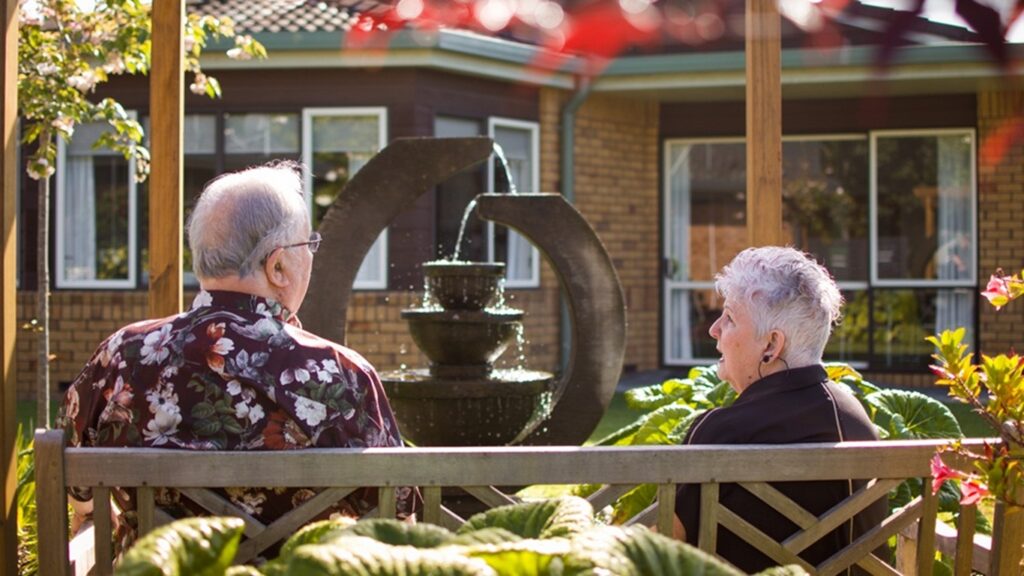
Families want the best for each other. But when it comes to conversations about retirement and the years ahead, what that looks like can sometimes mean different things to different people.
If you’re reading this as someone who is thinking about what’s best next for your mum or dad, or both, there may be questions about their wellbeing, their happiness, or whether life could be easier and more enjoyable with a little more support and companionship.
If you’re reading this as someone in their retirement, you may have different priorities. The freedom to make your own decisions, the comfort and familiarity of home, the friendships and routines you’ve built over a lifetime, and the independence to continue living life on your own terms.
Either way, sometimes these conversations are worth having together.
Somewhere between those perspectives is an opportunity for a conversation that isn’t about persuading anyone to make a change, but about understanding what matters most to everyone involved.
Because ultimately, a fulfilling retirement isn’t something that should be decided for someone. It’s something that should be shaped by the people living it, with the understanding and support of those closest to them.
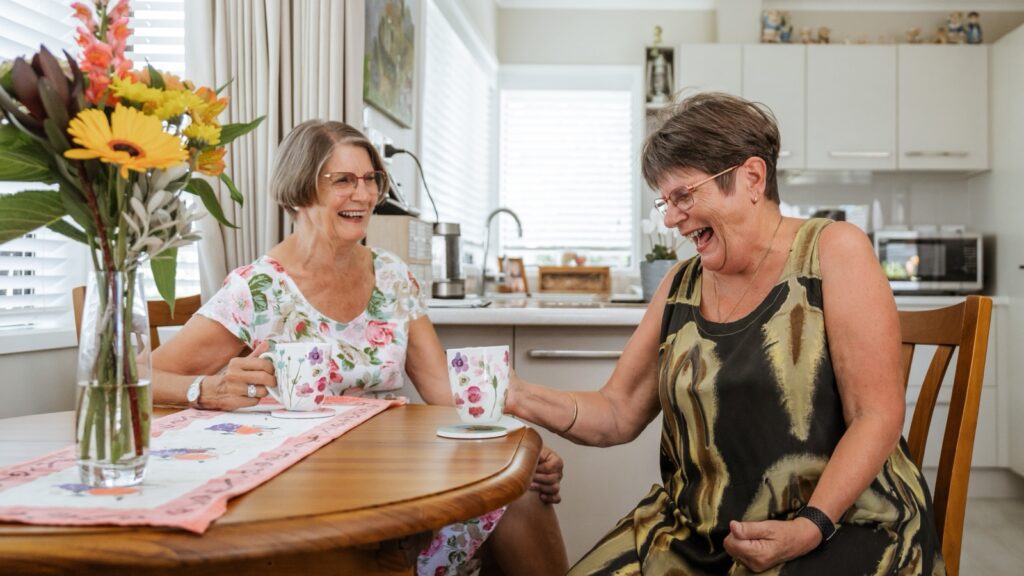
When caring and independence meet
It’s natural for adult children to want reassurance that their parents are happy, safe and enjoying life. Is the family home becoming more work than it’s worth? Are there enough opportunities for friendship and social connection? Would having support nearby make life easier?
These questions generally come from a place of love and concern and a desire to achieve peace of mind for all.
But for parents, the same questions can feel quite different.
A home may hold decades of memories, familiar routines provide comfort and independence is something to be valued and protected, not something to be gradually surrendered.
What one generation sees as a practical opportunity, another may see as an unnecessary disruption to a life they’re perfectly happy with. And that’s worth acknowledging.
The challenge isn’t necessarily to find an immediate solution. It’s to understand why different things matter to each of us.
Sometimes it’s about what could be, rather than what isn’t working
Conversations about retirement living often begin when something changes. A health concern, the loss of a partner, or the growing demands of maintaining a home. But they don’t have to.
Thinking about the future doesn’t have to mean something is wrong with the present. It can simply mean being open to what else life might offer.
What does an enjoyable retirement look like? What would make everyday life easier? What are the things that matter most, and which things would be difficult to leave behind?
Retirement can, and should be an incredibly fulfilling stage of life, and there’s no reason those years shouldn’t continue to offer new experiences, friendships and opportunities.
Sometimes, the most positive conversations begin with a different question: What could make life even better?
Listening is often more important than having the answers
One of the most valuable things families can do is create space for everyone to express what matters to them.
Adult children may have concerns their parents haven’t considered. Equally, parents may have aspirations, plans or preferences their children know very little about.
And sometimes, the assumptions we make about each other can be surprisingly inaccurate.
A parent who seems reluctant to consider retirement village living may simply have an outdated impression of what that looks like. Another may have been quietly exploring the idea for some time, without mentioning it to their family.
Equally, adult children may be surprised to discover just how content their parents are with their current lifestyle.
There’s value in asking questions, listening carefully and resisting the temptation to arrive at conclusions too quickly. The answers provide a much better starting point than assumptions about what someone else needs.
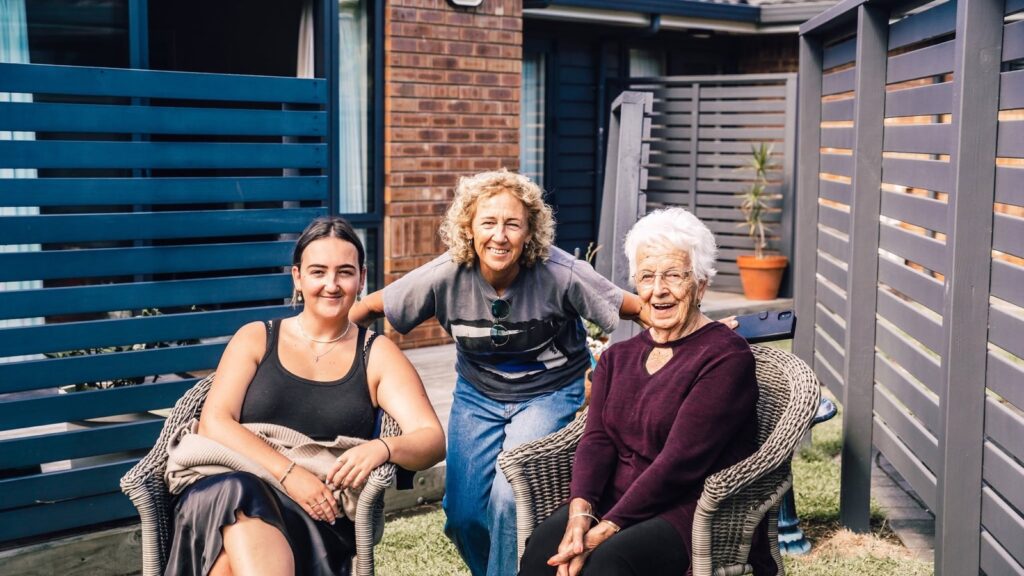
Independence can take many forms
For many people, independence is closely associated with remaining in their own home, and for some, that’s absolutely the right choice.
But independence isn’t necessarily defined by where someone lives. It’s also about having the freedom to make decisions, pursue interests, maintain friendships and enjoy life on their own terms.
For some retirees, moving into a village community can actually create more independence, rather than less.
Less time spent maintaining a property can mean more time for hobbies, travel and family. Having friends and neighbours nearby can make socialising easier and more spontaneous, and knowing that support is available if needed can provide reassurance without compromising day-to-day freedom.
Of course, retirement villages differ considerably in their accommodation, facilities, services and financial arrangements. It’s important to understand these differences and consider what genuinely suits each person’s lifestyle and priorities.
The point isn’t that retirement village living is the right answer for everyone. It’s that independence and community don’t have to be mutually exclusive.
Exploring possibilities together
Sometimes the most useful next step is simply to explore what’s available.
That might mean researching different retirement living options, talking with friends who have made a move, or visiting a village to see what life there is actually like.
And there’s no reason that exploration can’t be something families enjoy doing together. A no obligation, ‘let’s just take a look’ visit can provide an opportunity to look around, meet residents, ask questions and get a genuine feel for the environment.
What are the homes like? What opportunities are there to socialise? How much independence do residents enjoy? What support is available? And perhaps most importantly, does it feel like somewhere you’d be happy to call home?
If it feels right, sure you can then wade into understanding the practical considerations, including costs, agreements and what happens if circumstances change. But initially what’s wrong with a little ‘window shopping’ together. No pressure.
Exploring the possibilities doesn’t create an obligation to act. It simply helps everyone feel open to having supportive, enriching conversations and, ultimately, then being able to make more informed decisions, whenever the time feels right.
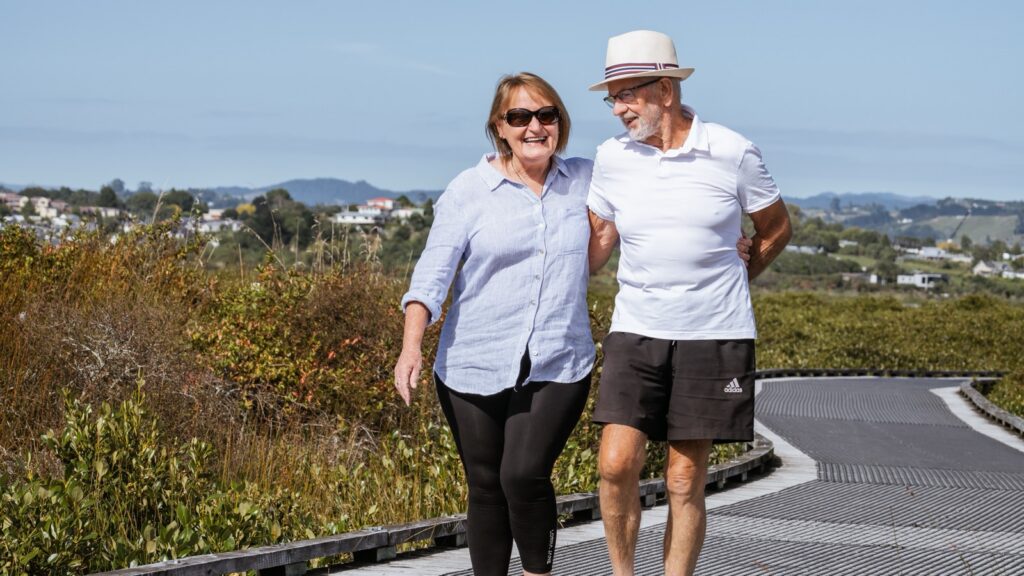
Keeping the conversation open
Not every conversation about retirement will lead to a decision. Nor should it.
Sometimes, parents and adult children will see things differently. Sometimes the timing won’t be right, and sometimes, having explored the options, everyone will feel reassured that things are just as they should be. That’s a perfectly good outcome too.
What matters is maintaining the openness to talk, listen and revisit the conversation as life evolves. Because the goal isn’t simply to find the right place to live. It’s to support a retirement that is fulfilling, enjoyable and shaped by the choices of the people living it.
And that’s something every generation can appreciate.